
Authority Bias - How to Use Visual Cues to Establish Instant Professional Trust
Master authority bias to command respect instantly. Learn how visual cues, status symbols, and psychological triggers build professional trust.
Your expertise is a ghost.
It exists in your mind and your spreadsheets.
But if no one can see it, it does not exist in the marketplace.
You likely believe that "the work speaks for itself."
This is a comforting lie told by people who are afraid to lead.
The human brain is lazy.
It does not want to audit your credentials or verify your past performance.
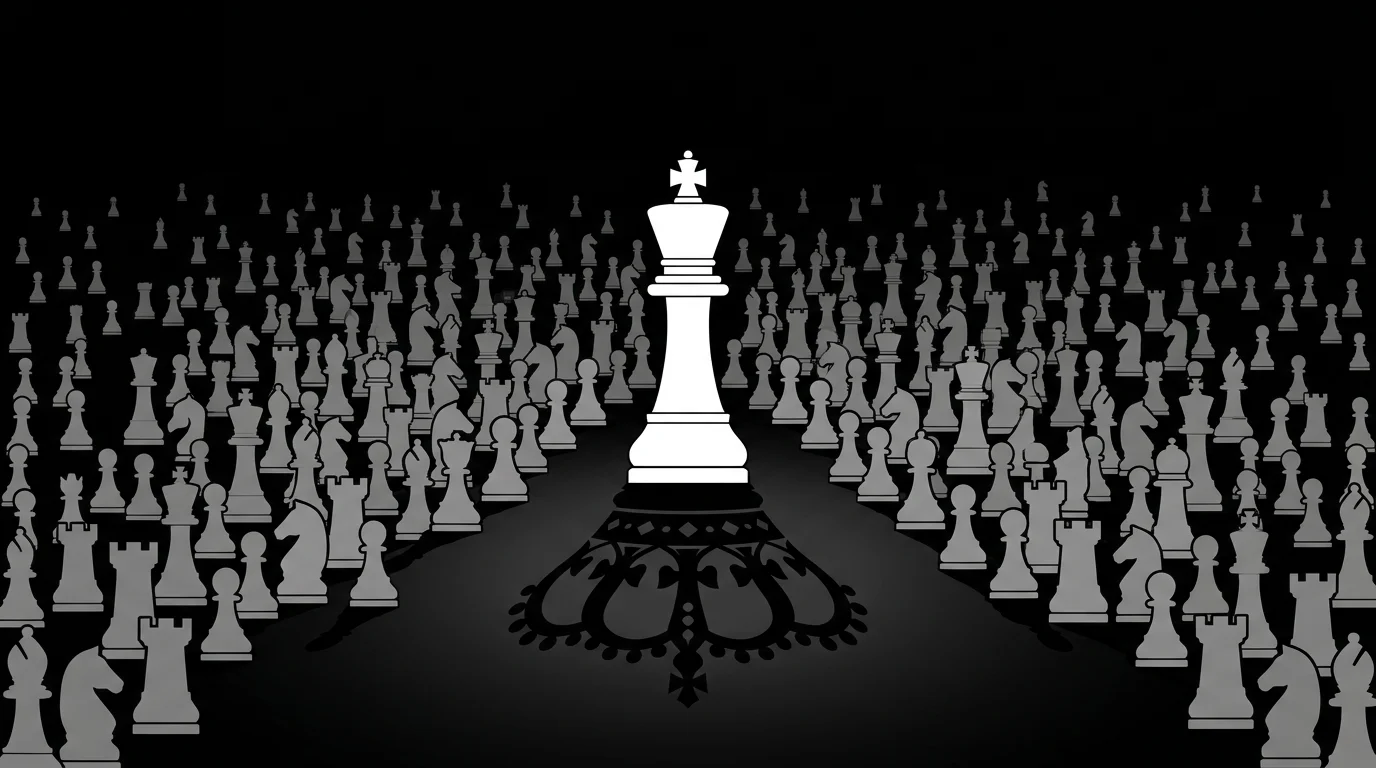
It wants to look at you for three seconds and decide if you are a predator, a peer, or a priest.
This shortcut is known as Authority Bias.
It is the tendency to attribute greater accuracy to the opinion of an authority figure.
It is why people follow a man in a lab coat into a room he doesn't belong in.
It is why you can command a room without saying a single word.
Authority bias does not work in isolation. The moment someone trusts your visual signals, they look for confirmation in what other people think. That is where social proof patterns take over.
The Synthesis Hook: The Meritocracy Myth
The "hustle" culture tells you that results are the only thing that matters.
The "branding" culture tells you that perception is reality.
The truth is a synthesis.
Results give you the right to stay in the room.
Authority cues give you the right to enter it.
Without results, you are a fraud.
Without authority cues, you are a hidden gem that will eventually be forgotten.
You need both to survive.
The Mechanics of Perception
We can map the evolution of trust through a simple progression.
The ladder looks like this:
Visibility → Association → Signaling → Dominance
If you skip a step, the ladder breaks.
You cannot signal dominance if you are not visible.
You cannot claim association if you haven't mastered signaling.
| Element | Psychological Trigger | Real-World Equivalent |
|---|---|---|
| Uniformity | Functional Competence | A well-tailored suit or high-end gear |
| Artifacts | Institutional Backing | Diplomas, trophies, or historical logos |
| Posture | Biological Alpha | Expansive movements and stillness |
| Environmental Control | Ownership of Space | A clean, high-ceiling office or curated digital backdrop |
The Rule of 4: Pillars of Visual Authority
To weaponize authority bias, you must master four distinct areas:
- The Artifact of Office: Tools that imply a specialized role.
- The Silhouette of Status: The physical shape you project in a room.
- The Proxemic Gap: The physical distance you maintain from others.
- The Aesthetic Anchor: A recurring visual element that signals consistency.
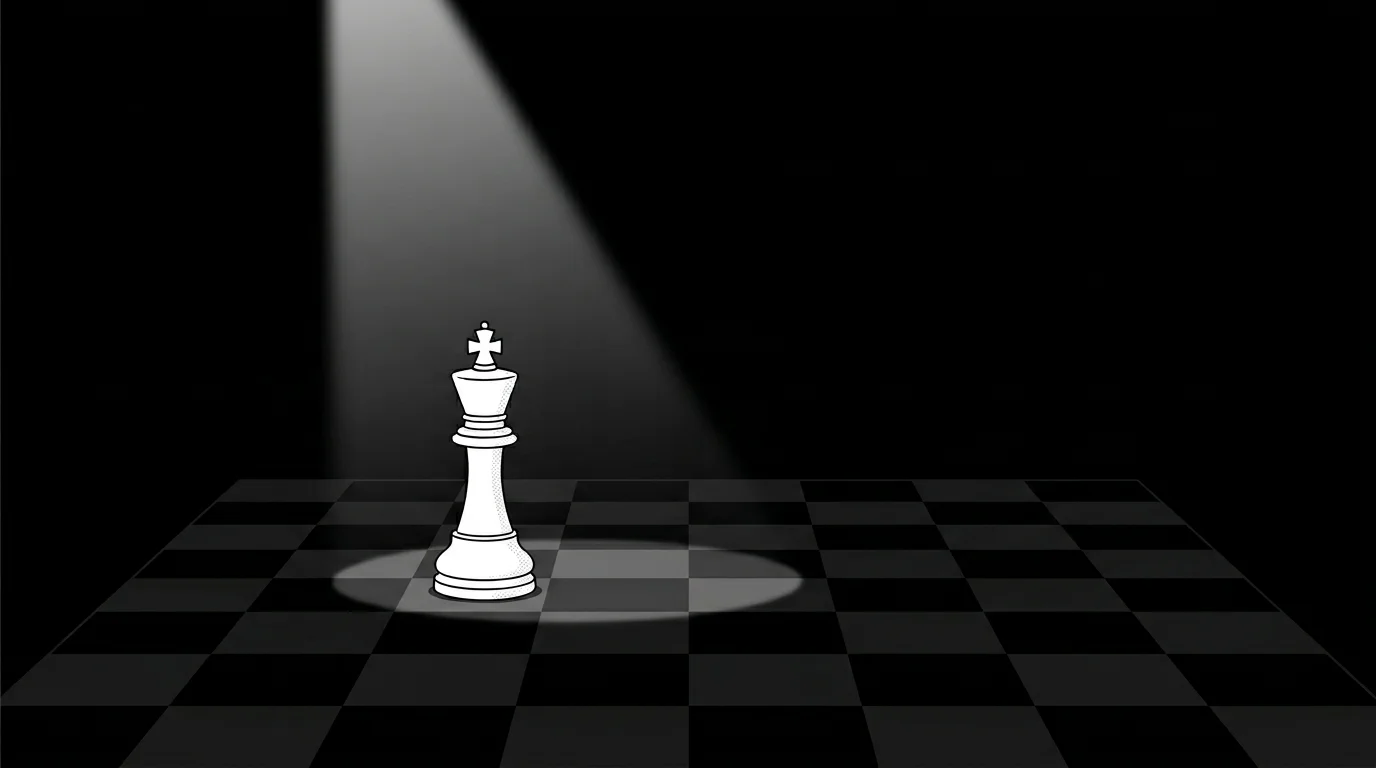
Visual authority is the "pre-game" that wins the match before the first whistle blows.
Categorical Labeling: The Triggers of Trust
Institutional Association
Humans are tribal.
If you stand next to a giant, people assume you are tall.
This is why doctors wear stethoscopes even when they aren't using them.
The tool is a bridge between their individual identity and the massive institution of "Medicine."
You must find your stethoscope.
The Uniform of the Elite
You think your "business casual" attire makes you approachable.
It actually makes you invisible.
Authority requires a boundary.
A uniform creates a psychological "fence" between you and the observer.
It signals that you belong to a specific class of performers.
The Stillness Factor
High-status individuals do not fidget.
They do not adjust their glasses every thirty seconds.
They do not nod excessively to show they are listening.
Stillness is the ultimate visual cue for power.
It suggests that you are not threatened by the environment.
The curated Environment
Your background on a Zoom call is not "just a room."
It is a stage.
A cluttered shelf suggests a cluttered mind.
A blank white wall suggests a lack of personality.
A curated, intentional space suggests you have the resources to control your surroundings.
The Progression Ladder of Influence
To move from a "worker" to an "authority," you must climb the ladder of visual complexity.
Generic → Professional → Expert → Icon
At the Generic level, you look like everyone else.
At the Professional level, you meet the minimum requirements.
At the Expert level, you start to use specific artifacts.
At the Icon level, your visual presence becomes a shorthand for the industry itself.

The Paradox of Approachability
You likely think that being "likable" is the key to trust.
This is the arrogance of the popular student.
In professional environments, we do not trust people because we like them.
We trust them because we respect their competence.
If you are too approachable, you lose the "edge" of authority.
The most effective leaders master the Warmth-Competence Loop.
They use visual cues to signal high competence first.
They then use small, controlled gestures of warmth to humanize that power.
If you lead with warmth, you are seen as a "nice guy" who can be ignored.
If you lead with competence, you are seen as a "boss" who must be heard.
Declarative Absolutism: The Pattern is Clear
Visual cues are not "surface level" distractions.
They are the primary language of the limbic system.
The lizard brain makes a decision about your worth before your rational brain even hears the first word of your pitch.
You are being judged.
You are being categorized.
You are being ranked.
You can either complain about the unfairness of human biology, or you can use it to your advantage.
The pattern is clear: authority is granted to those who look like they already have it.
Implementing the Visual Audit
You need to look at yourself through the eyes of a cynical stranger.
Ask these four questions:
- Does my attire signal my price point?
- Does my posture suggest I am the most important person in the room?
- Do my digital assets (LinkedIn, Website, Background) feel cohesive?
- Am I using "meaningless" movement that drains my status?
If the answer to any of these is "no," you are leaking authority.
You are working twice as hard to get half the results.
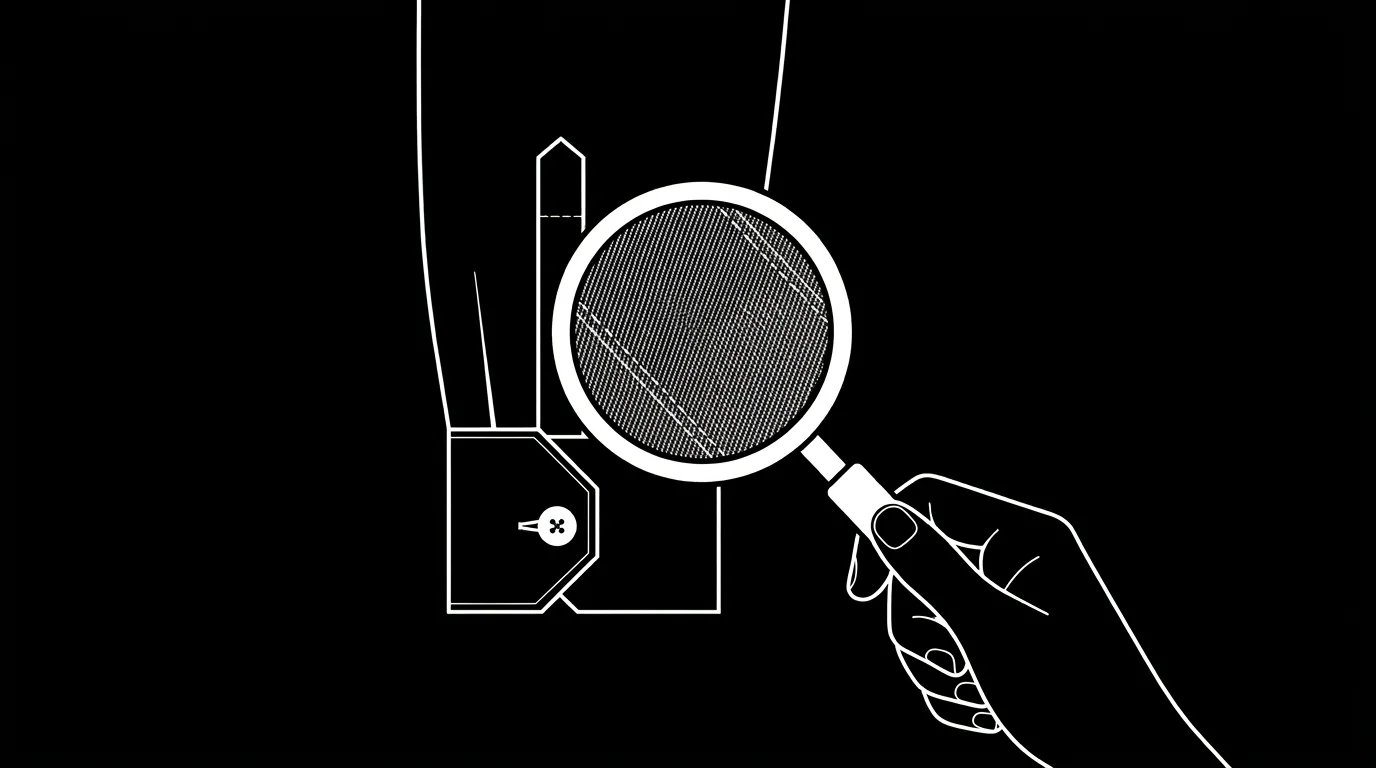
Summary of Visual Domination
The world does not have time to discover your genius; you must broadcast it through intentional visual signaling.
Conclusion
Professional trust is not earned solely through the quality of your spreadsheets.
It is anchored in the psychological shortcuts that the human brain uses to navigate a complex world.
By mastering Authority Bias, you remove the friction between your expertise and your audience.
You stop asking for permission to lead and start projecting the reality of your leadership.
The visual cues you choose are the "frame" for the masterpiece of your work.
Without a frame, the art is just a piece of paper.
With the right frame, it is an asset worth millions.
Stop hiding behind your "results" and start standing in your authority.
The staircase is right in front of you.
All you have to do is climb.
Visual authority gets the first look. Micro-storytelling is what earns the follow. The two work in sequence, not in isolation.
See where your profile actually stands with the live follower counter. The growth curve over recent weeks tells you more about whether your authority signals are landing than any single post will.